Day 1
Certificate Course in CCTV Camera Installation & Maintenance
Learn to install, configure, and maintain CCTV surveillance systems including DVR, NVR, and IP camera setups.
The Certificate Course in CCTV Camera Installation & Maintenance
The Certificate Course in CCTV Camera Installation & Maintenance is designed to give individuals the skills and knowledge needed to install, configure and maintain CCTV camera systems. The course covers safety, site survey and risk assessment, equipment selection, cabling, configuration, and testing.

Basic knowledge of CCTV cameras
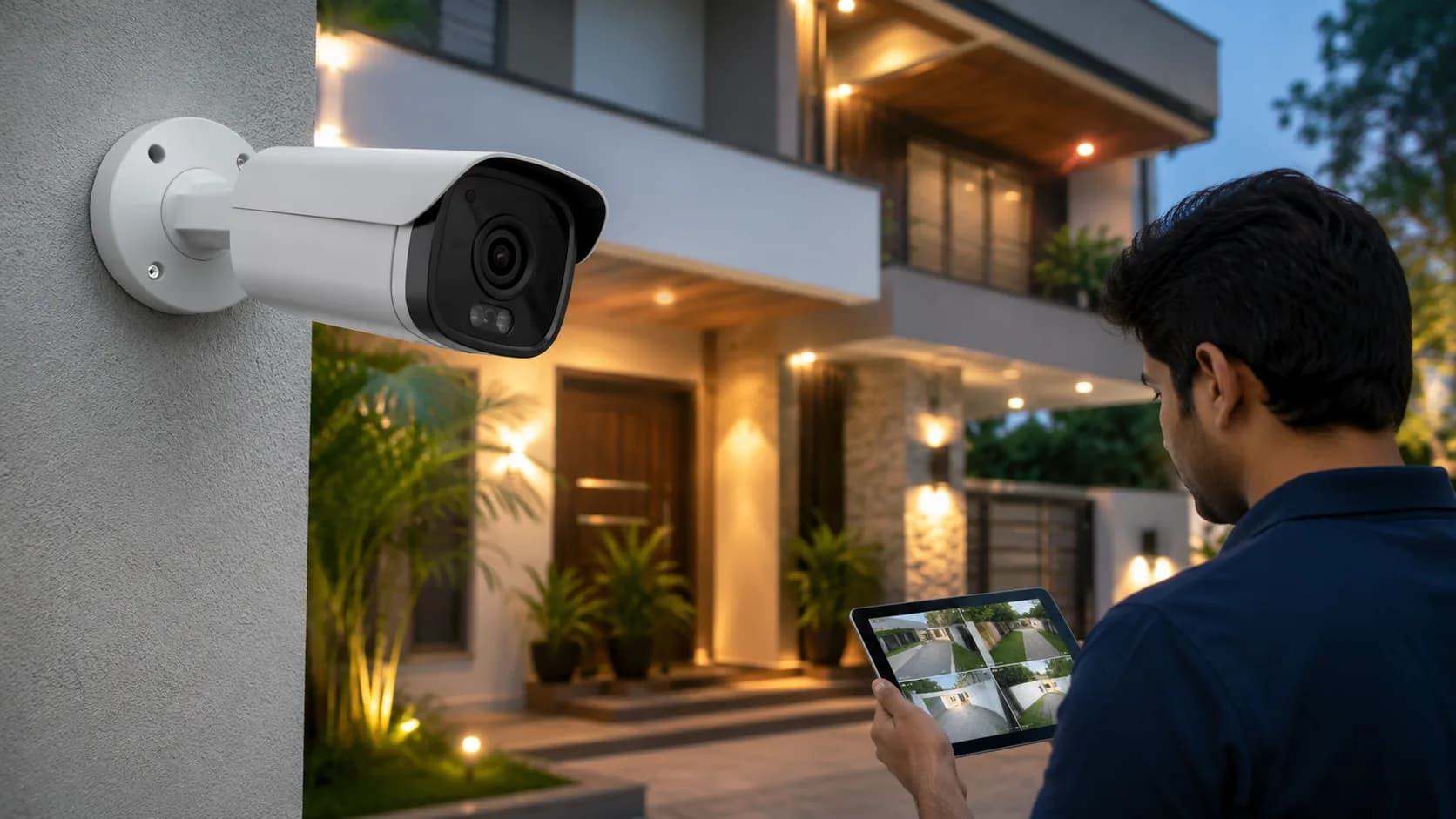
There are two types of CCTV cameras that are commonly used. The first type is the analogue CCTV camera, which uses a traditional CCTV format and can be connected to a DVR (digital video recorder) using a BNC cable. The second type of CCTV camera is the IP camera, which uses an Ethernet connection and can be connected directly to a computer or network. IP cameras are generally more expensive than analogue cameras, but they offer a number of advantages, such as the ability to record in high definition and to be remotely accessed from anywhere in the world.

Types of CCTV cameras
There are different types of CCTV cameras available in the market which can be used for various purposes. Here is a list of some of the most popular types of CCTV cameras:

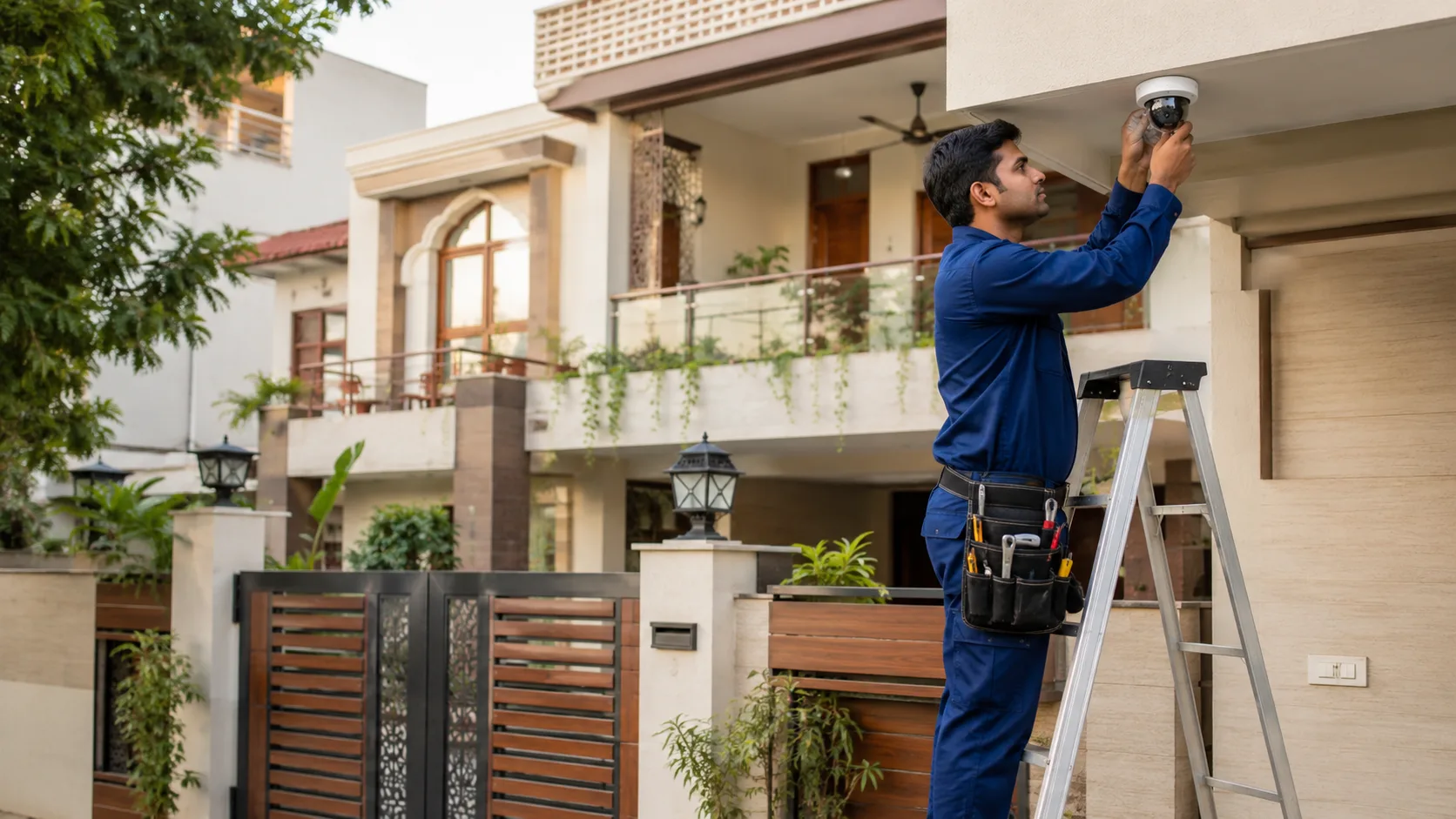
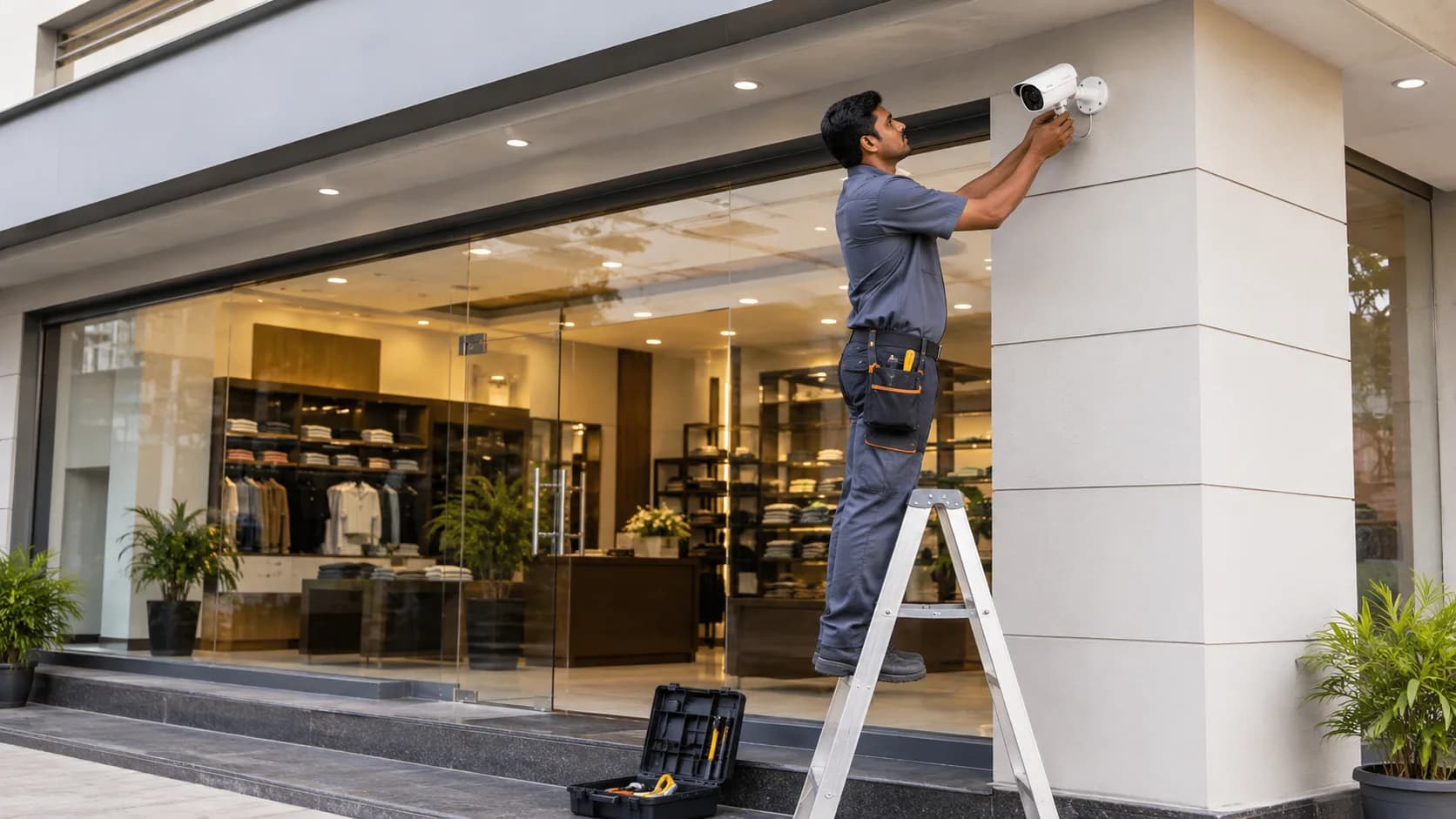
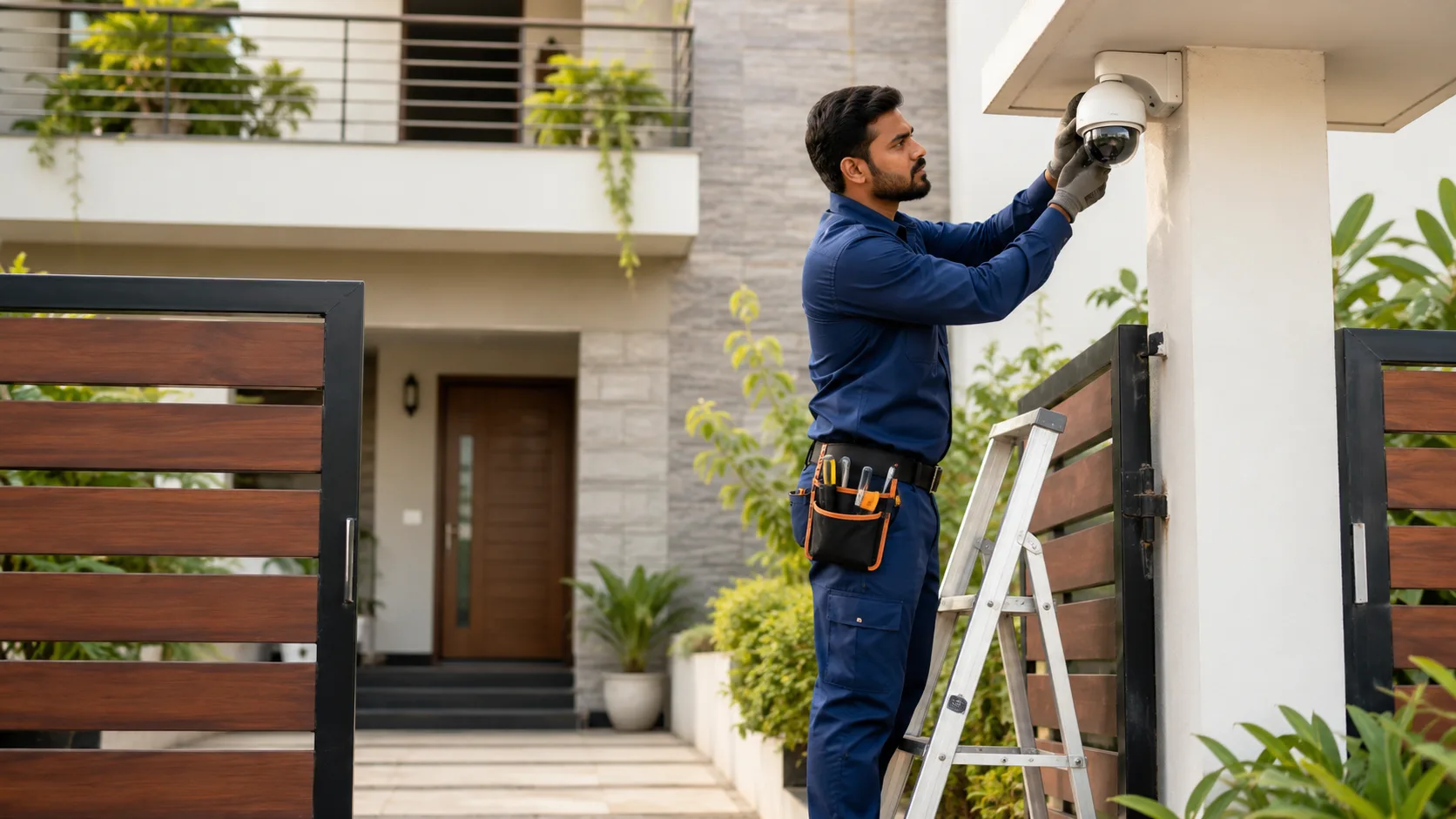
Installation of CCTV cameras
A CCTV cameras installation can be a daunting task. This is because there are many things that need to be taken into consideration such as where to place the cameras, how to wire them, and what type of cameras to use. However, by following these simple tips, you will be able to install your CCTV cameras easily and effectively.
The first thing that you need to do is to decide on the location of the cameras. It is important to choose a location where the camera can have a clear view of the area that you want to monitor. You should also make sure that the location is not easily accessible by intruders.
Once you have chosen the location of the cameras, the next step is to install the brackets that will hold the cameras in place. Make sure that the brackets are securely attached to the wall or ceiling so that the cameras will not fall and break.
After the brackets have been installed, you can now start wiring the cameras. It is important to make sure that all the wires are hidden from view so that they will not be tampered with by intruders. You should also label each wire so that you will know which one goes to which camera.
The last step in installing CCTV cameras is to install the software that will be used to record and store the footage captured by the cameras. There are many different types of software available, so you should choose one that is compatible with your operating system and has all the features that you need.


Maintenance
Maintainance of CCTV cameras
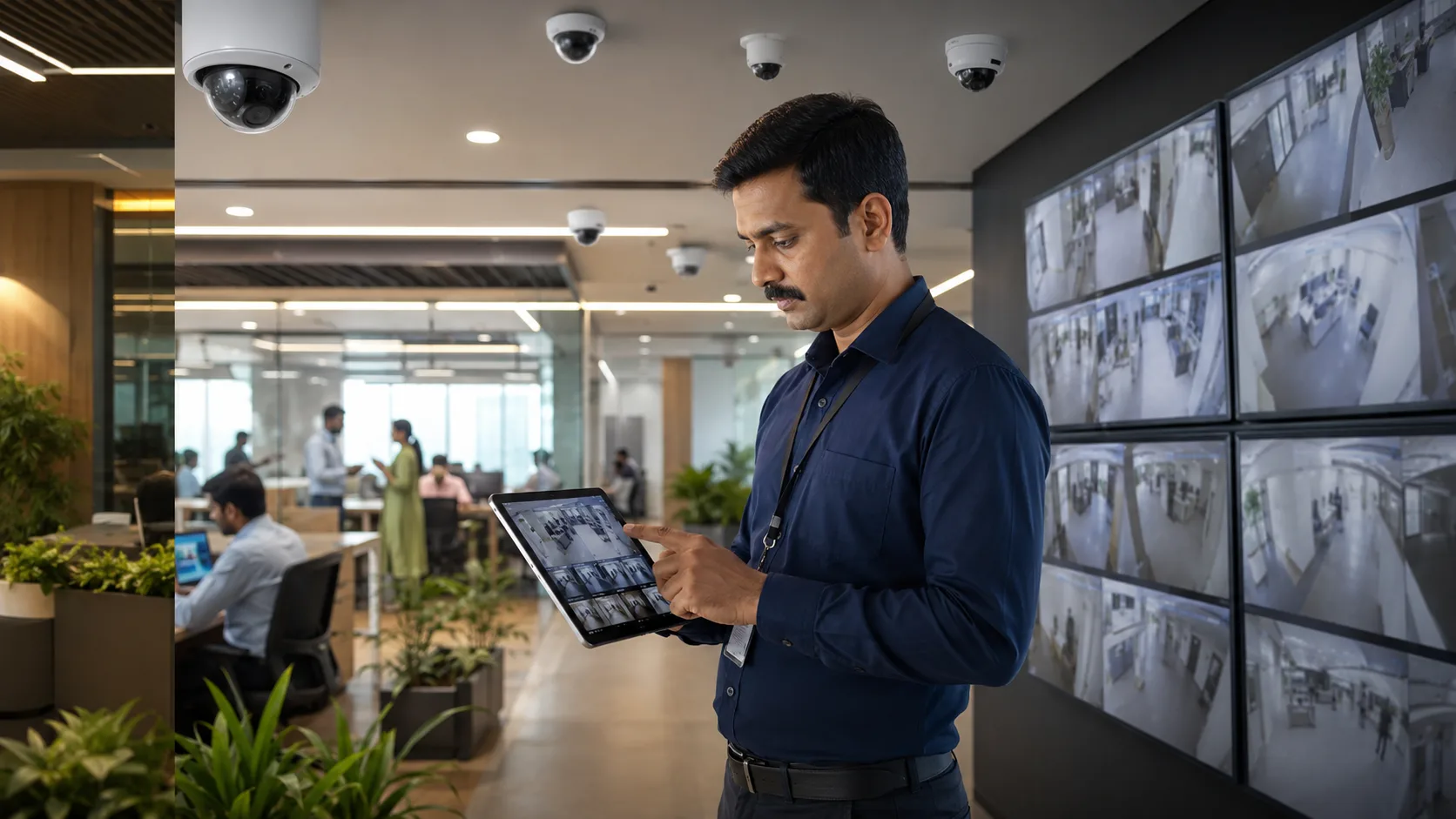
Maintenance of CCTV cameras is important to ensure that they are working properly and providing the required level of security. There are a number of things that need to be done on a regular basis to keep CCTV cameras in good working condition. These include:
Course Highlights
Everything included in this program
Learning Roadmap
What You'll Learn
Structured modules designed to take you from beginner to job-ready
Camera Systems
Configuration
Complete Training Schedule
Follow the complete theory and practical learning plan from fundamentals through live project and job-ready training.
Day 2
Day 2 – CCTV Hardware & Cabling
Day 3
Day 3 – CCTV Camera Installation
Day 4
Day 4 – DVR / NVR Configuration
Day 5
Day 5 – Networking & Mobile Viewing
Day 6
Day 6 – Troubleshooting & Maintenance
Day 7
Day 7 – Live Installation Project
Practical Project: Students will complete a full CCTV installation project, including:
Career Opportunities
Where You Can Work
Ready to Start
Your Career?
Join 1000+ students who transformed their lives through our vocational training programs.